
How Designing Events with Neurodivergent Attendees in Mind Benefits Everyone
Our company president, Polly Rossi-Geiger, recently said, “For decades, we’ve optimized agendas for efficiency. The next era of event strategy will optimize them for human performance.”
She’s exactly right.
When we design events to meet the diverse needs of attendees, we can greatly improve the meeting experience for everyone. Common challenges for neurodivergent event and conference attendees are often overlooked, and addressing them improves the experience for everyone.
What does “neurodivergent” mean?
It has been estimated that about 20 percent of the world is “neurodistinct” or “neurodivergent,” meaning they have cognitive differences (whether diagnosed or not). People who identify as neurodivergent might include those with ADHD, autism, dyslexia, sensory processing disorder, and a wide range of other cognitive differences.
About 80 percent of the population would be considered “neurotypical.” When we use the term “neurodiversity,” we are referring to both neurotypical and neurodivergent brains.
How does this apply to event planning?
We think the folks at The Neu Project, an organization dedicated to transforming communal experience for all brain types, said it best: “Neurodivergent people have always been present at events. But in the past, professionals may have overlooked or been unaware of their needs. Understanding the language and experiences of brain variations is an essential step toward implementing neuroinclusive event design.”
In fact, The Neu Project reports that:
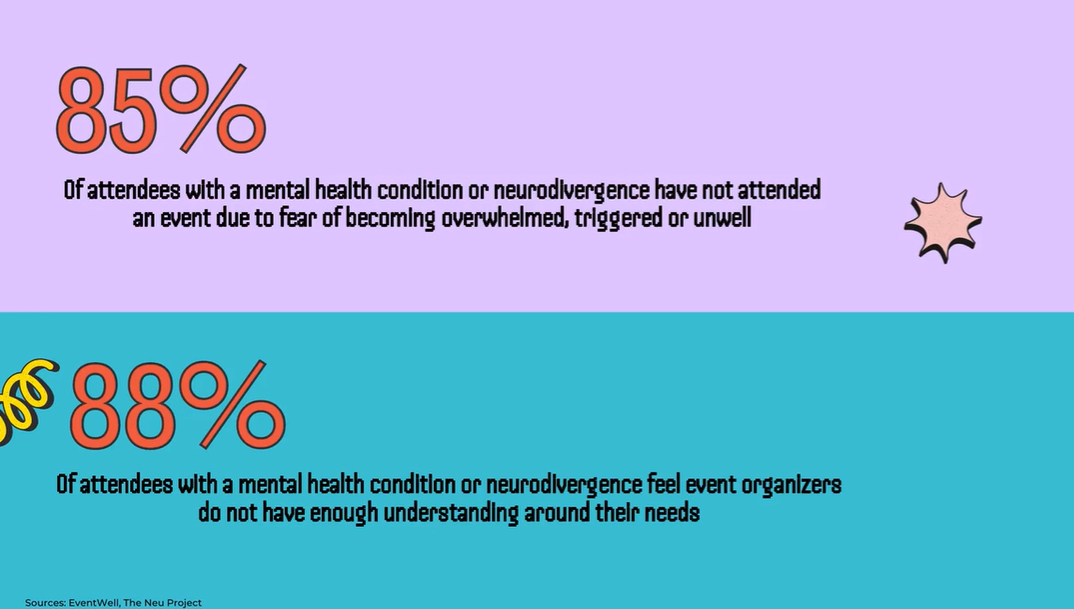
85 percent of attendees with a mental health condition or neurodivergence have not attended an event due to fear of becoming overwhelmed, triggered, or unwell
88 percent of attendees with a mental health condition or neurodivergence feel event organizers do not have enough understanding of their needs
The need exists, and a significant portion of your audience might be opting out entirely because they don’t feel the experience is accessible. Designing events that are inclusive of all neurotypes can help attendees feel seen and welcomed.
What should we consider?
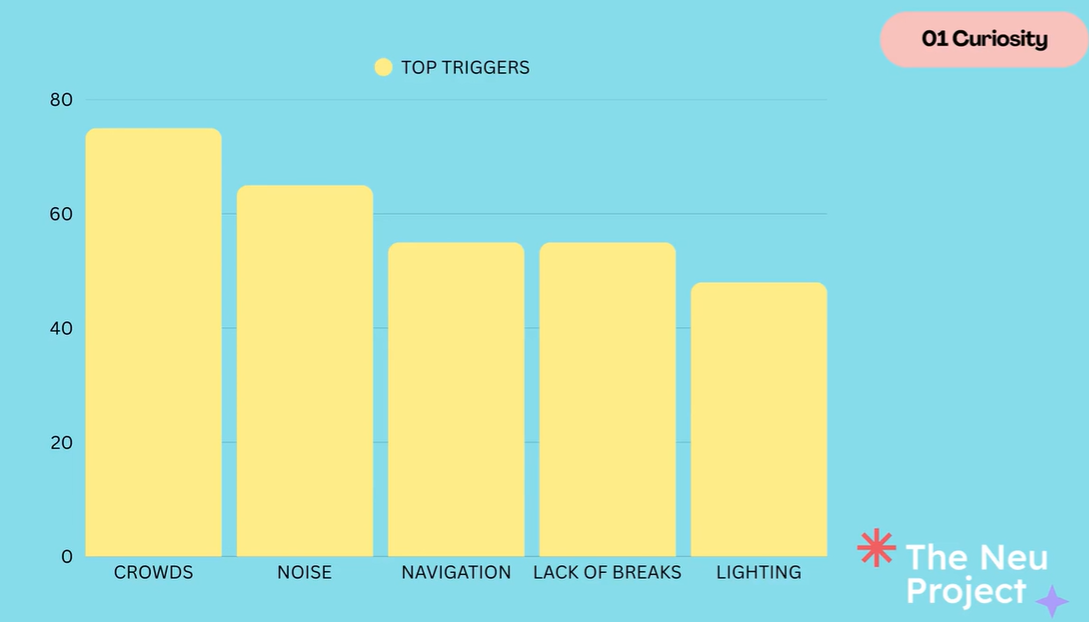
Neurodivergent event attendees cite crowds, noise, navigation, lack of breaks, and lighting among their top challenges when attending events.
Working with an event planning agency or a neuroinclusive consultant can help with a thoughtful agenda and experience design that plans for the type of challenges presented above, as well as other neuro differences, such as:
Sensory differences (auditory, tactile, visual)
Processing differences (attention, memory, time management, task paralysis)
Social differences (energy levels, socialization, communication styles)
Physical differences (stimming, eye contact, tics)
When we design with different processing styles in mind, we don’t just support neurodivergent attendees. We improve focus, participation and learning for all attendees in the room.
Where should we start?
A simple place to start is during registration by adding a prompt on the registration form, enrollment page, or even at the check-in booth that invites attendees to share any accommodation needs. We try to meet these needs where possible. Work with course directors to plan adequate breaks to allow for information processing and time away from the general session.
The same adjustments to support someone with ADHD or sensory sensitivities can also benefit neurotypical attendees who are overloaded or tired. Attendees today are already used to choosing how and when they engage with content. When our events reflect that flexibility and include varied formats and intentional pacing, we tend to see stronger engagement and feedback across all attendee groups, not just a subset.
As expectations for inclusive education grow, we have an opportunity to design programs that support different learning styles, attention patterns, and processing speeds without changing the integrity of the content.
Your events don’t need an overhaul to make an impact. Small, thoughtful changes like incorporating breaks, providing a variety of session formats, or changing pacing can make the experience more effective for a wider range of attendees.
Bottom Line: Designing for neurodivergent attendees doesn’t make events more complicated. It makes them more effective.
Contact our team to learn more about designing your events with neurodivergence in mind!